


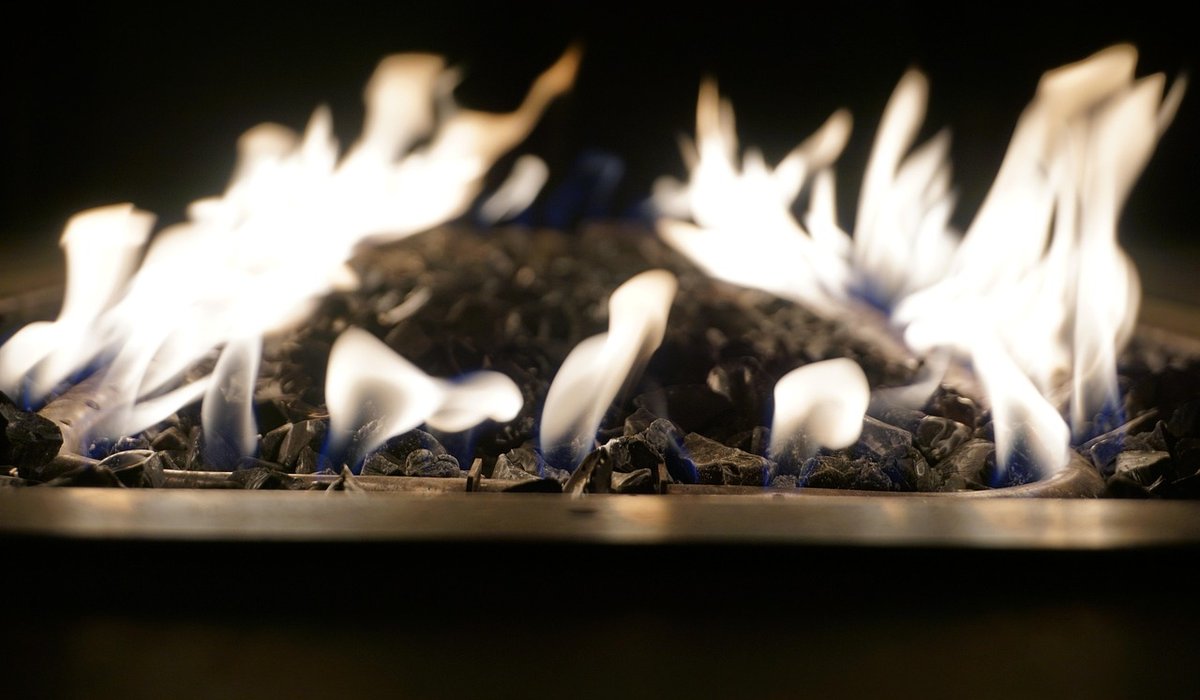
The enduring pull of an open fire
Few things beat a real fire on a wet Tuesday in February. An open fire is a radiant heater you can watch: flames, crackle, the smell of woodsmoke, and warmth that reaches your face and hands within minutes of lighting. It is sociable, forgiving and endlessly atmospheric.
It is also an inefficient way to heat a house. An open fire heats almost entirely by line of sight, so step to the side and the benefit fades. Much of the heat you paid for disappears straight up the chimney with the smoke, and the fire drags a large volume of air out of the room with it. That air has to be replaced, usually by cold air creeping in under doors and around windows, which makes the rest of the house feel draughtier and pushes up heating bills elsewhere.
Where the heat actually goes
A typical open fire converts somewhere between 15 and 25 per cent of the energy in the wood into useful room heat. A deep inglenook with a big throat can do worse. The chimney is doing its job — it must pull smoke away — but it is also pulling warmth away with it, and it keeps pulling for as long as the fire is alight.
An enclosed stove flips that around. Because the firebox is sealed behind a door and the air supply is controlled, you can slow the burn and keep far more of the heat in the room. Well-fitted wood-burning stoves commonly achieve 70 to 80 per cent efficiency. In plain terms, an open fire can burn three or four loads of logs to deliver the warmth a stove gives from one.
Efficiency and control in an enclosed stove
Modern stoves are designed around controlled combustion. Primary air feeds the base of the fire, secondary air washes down the glass and feeds the flames above the fuel, and clean-burn models add tertiary air to burn off gases that would otherwise leave as smoke. The result is a hotter fire with less tar and creosote in the flue, and glass that stays far clearer than most people expect.
Control is the real difference in daily use. You can damp a stove down for a long, gentle burn while you eat dinner, or open the air for a quick burst of heat when you come in cold. A 5kW stove will comfortably heat a typical living room, and a stove placed well will radiate in all directions rather than only towards whoever is sitting directly in front of it. Many models also convect warm air from around the firebox, which spreads heat more evenly through the room.
Fuel, cost and everyday convenience
If you light a fire most evenings from autumn to spring, the practical differences add up quickly:
- Wood use: a stove typically burns around a third of the logs an open fire needs for the same heat, so a load of seasoned logs goes much further.
- Refuelling: an open fire wants a log every 20 to 30 minutes; a stove can run an hour or two on a single charge once it is settled.
- Overnight burning: possible with a stove, using larger logs and a reduced air supply. Not realistic with an open fire.
- Mess: both produce ash, but a stove contains it behind a door and a lip, which keeps hearth and carpet cleaner.
- Rooms with no chimney: a stove can be fitted with a twin-wall flue through a wall or roof, whereas an open fire needs a traditional chimney.
Safety, maintenance and clean burning
Whichever you choose, the flue matters more than the appliance. Have the chimney swept annually at minimum, and twice a year if you burn wood regularly. Burn only dry fuel — seasoned or kiln-dried logs at under 20 per cent moisture. An inexpensive moisture meter will tell you, and wet wood is the single biggest cause of tar, poor heat and chimney problems.
If you live in a smoke control area, check what you are allowed to burn. Many urban areas restrict both the fuel and the appliance; stoves exempted for use in these zones let you burn wood lawfully, and smokeless fuels remain an option in others. Fit a carbon monoxide alarm in the same room, keep ventilation adequate, respect the hearth clearances in the manufacturer's instructions, and use a registered installer. An incorrectly fitted stove is both a safety risk and a poor performer.
Choosing what suits your home
Ask honestly how you will use the fire. If it is a dozen evenings a winter, lit for the pleasure of it, an open fire or a stove run with the doors open will do fine. If the fire is your main source of warmth in a room from October through April, an enclosed stove is the better buy — cheaper to run, easier to live with and far kinder to the air inside and outside your home.
There are middle paths, too. An inset stove sits in an existing fireplace opening and gives you the look of an open fire with most of the efficiency of a freestanding model. A large glass door on a modern stove keeps the flame picture front and centre. Think about room size, how many kilowatts you actually need, and whether you have a sound chimney or will need a new flue. Get those right and you will have a fire that looks the part and earns its keep.


Leave a reply