


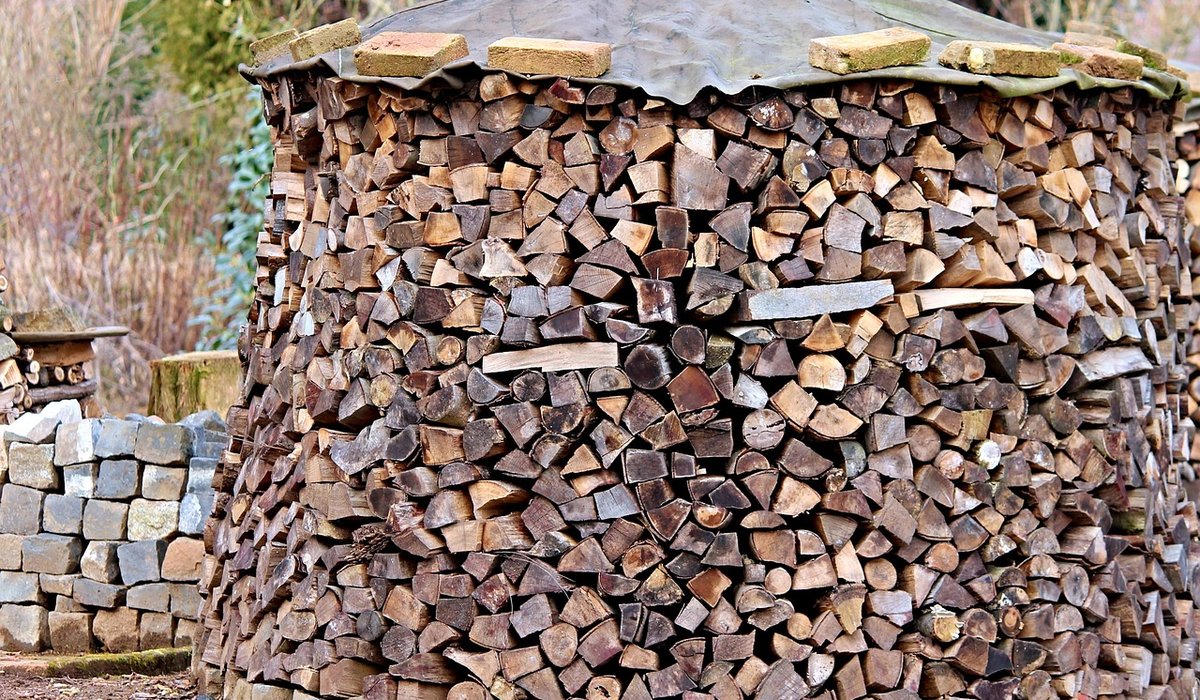
Logs are more than just fuel
A well-stacked log basket does a lot of quiet work in a room. It softens the hard edges of a fireplace, adds texture and a warm, woody scent, and tells anyone walking in that this is a house where a fire gets lit. If you buy your logs in bulk and dump the whole lot in a builder's bag by the back door, you are missing a simple opportunity: a generous, tidy indoor store can be both practical storage and one of the most decorative elements in the room.
The trick is to treat your log store as part of the scheme rather than an afterthought. Get the storage right, keep the logs dry, and respect the clearances around your stove or open fire, and you will have a display that looks good all year round and works hard on the coldest evenings.
Choose the right basket, bin or crate
Start with capacity. A basket holding around 15–20 kg of kiln-dried logs will see most households through two or three evenings of burning, which means fewer trips outside in the rain. Anything smaller looks charming but becomes a chore.
- Willow or wicker baskets suit cottages, inglenooks and period rooms. Choose a lined version, or add a hessian liner yourself, to catch bark and dust.
- Galvanised or vintage zinc bins work beautifully against slate hearths, pale walls and industrial or Scandinavian-style interiors.
- Canvas log carriers with leather handles are ideal if you want something you can pick up and move, particularly in smaller rooms where floor space is precious.
- Wooden crates and apple boxes can be stacked, labelled and tucked under a bench, giving you an informal, farmhouse look for very little money.
Whichever you choose, check the bottom. Slatted or raised bases let air circulate around the logs, which helps keep them dry and reduces the chance of mould developing on the underside of the pile.
Make the most of alcoves and awkward nooks
Older British homes are full of useful awkward spaces: recesses either side of a chimney breast, the gap beside an inglenook, the dead corner under a window seat. These are prime log-display territory.
A recess lined with slatted shelves and filled with evenly stacked logs looks deliberate and architectural, especially if you leave a little breathing space around the stack rather than cramming it to the ceiling. In deeper alcoves, a bench with a lift-up lid gives you hidden bulk storage with a basket on top for daily use. If you have a redundant airing cupboard or a shallow pantry, a few slatted shelves and a coat of eggshell will turn it into a proper log store that keeps fuel bone dry.
Keep an eye on proximity, though. A recess directly beside a stove or an open fireplace will get warm, so treat anything within a metre of the appliance as a display of fire-resistant objects only, not as a wood store.
Creative displays beyond the standard basket
If you want something with a bit more personality, there is no shortage of options that cost very little:
- A stack of end-grain logs built into a recess or against a plain wall, arranged with the cut faces outward. It reads as sculpture until you need it.
- An old wheelbarrow or dolly tub on the hearth side of the room, lined with hessian, holding a generous pile of split logs.
- A wooden ladder fixed horizontally to a chimney breast, with canvas slings hung from the rungs to hold kindling and smaller logs.
- A repurposed wine rack — the round holes take split logs surprisingly neatly and keep them off the floor.
- A vintage coal scuttle or copper bucket for kindling, pine cones and firelighters, which keeps the messy bits contained and out of sight.
Mix textures rather than matching everything. Wicker, brass, canvas and weathered wood sit together happily in a room centred on a fire, and a little contrast stops the display looking like a showroom set.
Keep your distance from heat
This is the part that matters most. Logs are fuel, and fuel near a heat source is a risk you do not need to take.
- Follow the manufacturer's clearance distances for your stove or fire. These are given for a reason and override any styling instinct.
- Keep loose logs at least a metre away from the appliance where you possibly can, and further from single-wall flue pipe, which gets very hot indeed.
- Never stack logs on top of a stove, even a cool one, and never store them on the hearth directly in front of an open fire.
- Keep the hearth apron clear. A pair of gloves and a poker is fine; a basket of dry wood is not.
If space is genuinely tight, use a metal or glass-fronted container that keeps logs enclosed, and check clearances with the appliance instructions before you commit.
Dust, moisture and finishing touches
Logs bring in bark, dust and the occasional small insect, so keep the indoor supply modest and top it up daily rather than bringing in a week's worth at once. A lined basket, a floor protector under the store, and a quick brush of the hearth will keep things tidy.
Moisture matters too. Kiln-dried logs are ready to burn straight away; if you season your own, use a moisture meter and only bring them indoors once they read below 20 per cent. Logs drying out in a warm room will shed bark, so put them somewhere with a wipeable floor.
Finally, dress the display. A brass poker, a scoop, a box of long matches, a pair of leather gloves and a wool blanket over the arm of the nearest chair complete the picture. In summer, swap the logs for birch sections, dried flowers or a stack of books, keep the basket in place, and the corner still looks intentional — ready for the first cold evening of autumn.


Leave a reply