


Start with the working zone
A hearth is one of the few places in a home where decoration and function sit comfortably side by side, and the good news is that the genuinely useful items — log baskets, fire tools, lanterns — tend to be the most attractive when they are chosen well. The trick is to work out where the practical boundary lies before you arrange a single thing.
Every appliance is different, so the manufacturer's clearance instructions always take priority over anything you read elsewhere. As a sensible working rule, treat the metre closest to the fire as a functional zone: nothing that could catch light, melt or warp should live there. No dried flowers, no paper garlands, no plastic or synthetic fabric, no stacked magazines, no fabric drapery trailing over a mantel edge above a naked flame.
What does belong in that zone? Materials that shrug off heat and the odd stray spark:
- Slate, stone, brick, ceramic and terracotta
- Metal — cast iron, steel, brass, pewter, copper, galvanised tin
- Glass, kept clear of direct flame and hot metal
- Leather and wool, still positioned a safe distance back
Beyond that metre you have far more freedom, and that is where the softer, more seasonal styling can live.
Choose a log basket that earns its keep
Willow and wicker baskets look wonderful, but they dry out beside a stove and become tinder over a season or two. A well-made wicker basket is perfectly fine as a decorative holder if it sits a good metre away and is never pressed against hot metal, but if you want something genuinely hard-wearing, look at galvanised steel, powder-coated iron, heavy felt, or a sturdy leather-and-canvas log carrier.
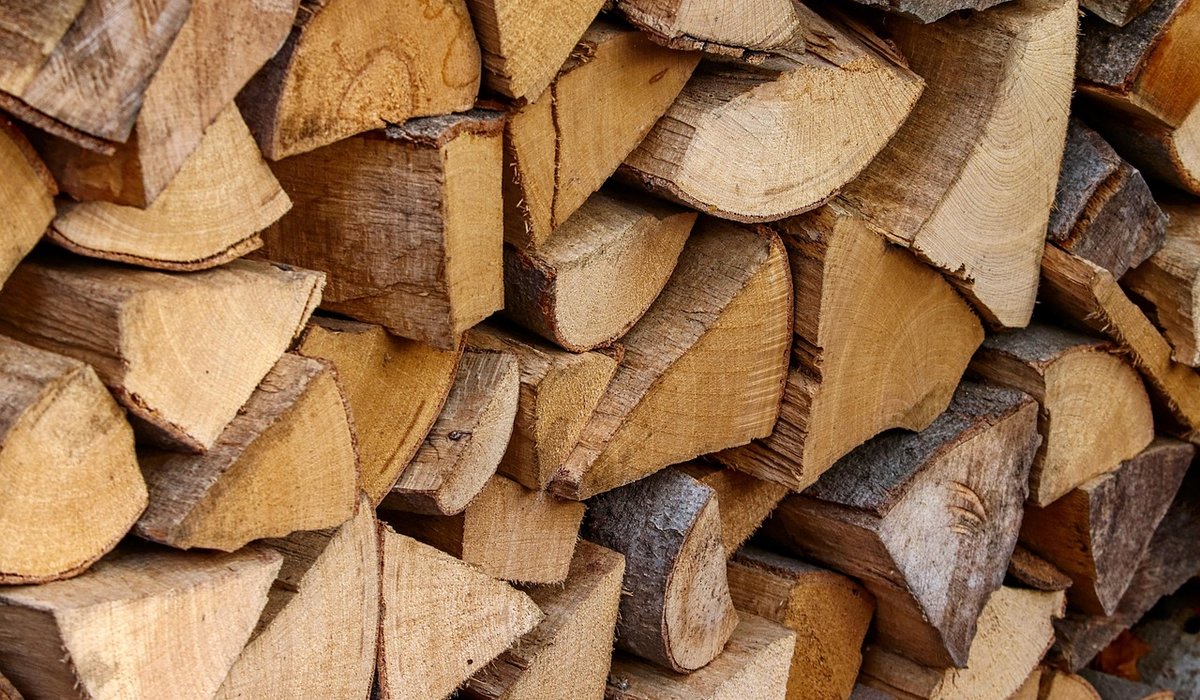
Think about capacity as well as looks. A basket that holds one evening's fuel is easier to carry and keeps the hearth tidy; an enormous one becomes a dumping ground. Store the bulk of your wood outside or in a dry porch, and bring in only what you will burn over the next day or two. Logs should be dry and split, ideally kiln-dried and under 20% moisture, which also means far less tar on the glass and far less smoke up the chimney.
Lanterns and candlelight without the worry
Nothing says cosy quite like a low, warm glow, and lanterns are the easiest way to get it. Near the fire itself, choose battery or rechargeable LED lanterns — they give the same flicker with none of the risk. A cluster of three at different heights on the hearth, in glass and aged metal, looks deliberate rather than cluttered.
If you want real candles, place them on a solid, heatproof surface well away from the stove or grate, out of draughts and away from anything that could fall into them. Hurricane lamps and lanterns with a glass chimney are a safer option than open tapers, but remember that the metal frame gets hot and stays hot long after the flame is out. Never leave a burning candle unattended, and keep matches and lighters out of reach of children.
Fire tools you will actually reach for
A companion set is not just for show. The pieces you will use most are a poker, tongs, a stiff brush and a shovel or ash scoop. Add a pair of heat-resistant gloves, a set of long matches and, if you have an open fire, a pair of bellows. A good set should feel weighty in the hand — thin, tinny tools bend at the first stubborn log.
- Stand the tools on a heavy-based holder so they cannot topple towards the fire
- Keep an ash bucket with a tight-fitting metal lid, and never put warm ash into a plastic bin or bag
- Leave ash to cool for at least 24 hours before disposing of it
- Position the set to the side of the hearth so it is easy to reach but out of the walking line
Soft furnishings and the one-metre rule
Rugs, throws and cushions are where a hearth starts to feel like a room rather than a fireplace. Wool, jute and cotton are sensible choices; fluffy synthetics near a fire will melt and give off fumes if a spark lands on them. Add a non-slip backing to any rug in front of the hearth so it stays put.
Keep throws folded on the arm of a chair rather than draped across a radiator, stove or fire surround, and never dry washing in front of an open fire. A well-fitted fireguard or spark screen is worth its weight in peace of mind, particularly in a house with children, pets or elderly relatives.
Rotating the look with the seasons
The easiest way to keep a hearth looking fresh is to swap a handful of accessories rather than redecorating. In autumn and winter, bring out the wool throws, the deepest lanterns, a basket of split logs and perhaps a bowl of pine cones kept well back from the fire. In spring and summer, when the stove sits cold, replace the logs with a stoneware pot of dried stems, change the textiles for lighter cotton, and give the glass, brass and slate a proper clean.
Store off-season pieces clean and bone dry, and check wicker, fabric and leather for scorching or brittleness before putting them back. A hearth styled this way stays warm, safe and genuinely useful all year round.


Leave a reply