


Why smoke control areas matter for your stove
If you live in a town or city, there's a fair chance your home sits inside a smoke control area. These were introduced under the Clean Air Act to keep urban air cleaner, and they place a simple restriction on what you can burn. In short, you must not release smoke from a chimney. For a lot of households this sounds stricter than it really is, because a well-chosen stove paired with the right fuel produces very little visible smoke indeed.
The rules apply to open fires, wood burners, multi-fuel stoves and even outdoor ovens, so it pays to know where you stand before you light up. The good news is that you can still enjoy a crackling fire and a warm living room. You simply need to use an approved smokeless fuel or burn wood in an exempt appliance.
Getting this right keeps you on the right side of your local council and helps your neighbours breathe easier too. It's one of those small choices that makes a genuine difference.
What counts as a smokeless fuel?
Smokeless fuels are manufactured or processed to burn with very little visible smoke. They're designed for steady heat and long burn times, which makes them a natural fit for multi-fuel stoves and open fires alike. The most common options you'll see in the UK include:
- Anthracite – a naturally hard, low-volatile coal that burns hot and clean with a steady, glowing flame.
- Manufactured smokeless briquettes – blends of anthracite, coke and binders, shaped for consistent heat and easy handling.
- Homefire and similar ovoids – popular oval-shaped fuels that light readily and hold their shape well.
- Wood briquettes – compressed sawdust blocks that burn hot and dry, although they're still wood, so check the wording of your exemption.
The key marker to look for is the HETAS or Ready to Burn approval, or a clear "smokeless" description from a reputable supplier. If the bag says it's authorised for use in smoke control areas, you're on safe ground.
Exempt appliances: the wood-burning route
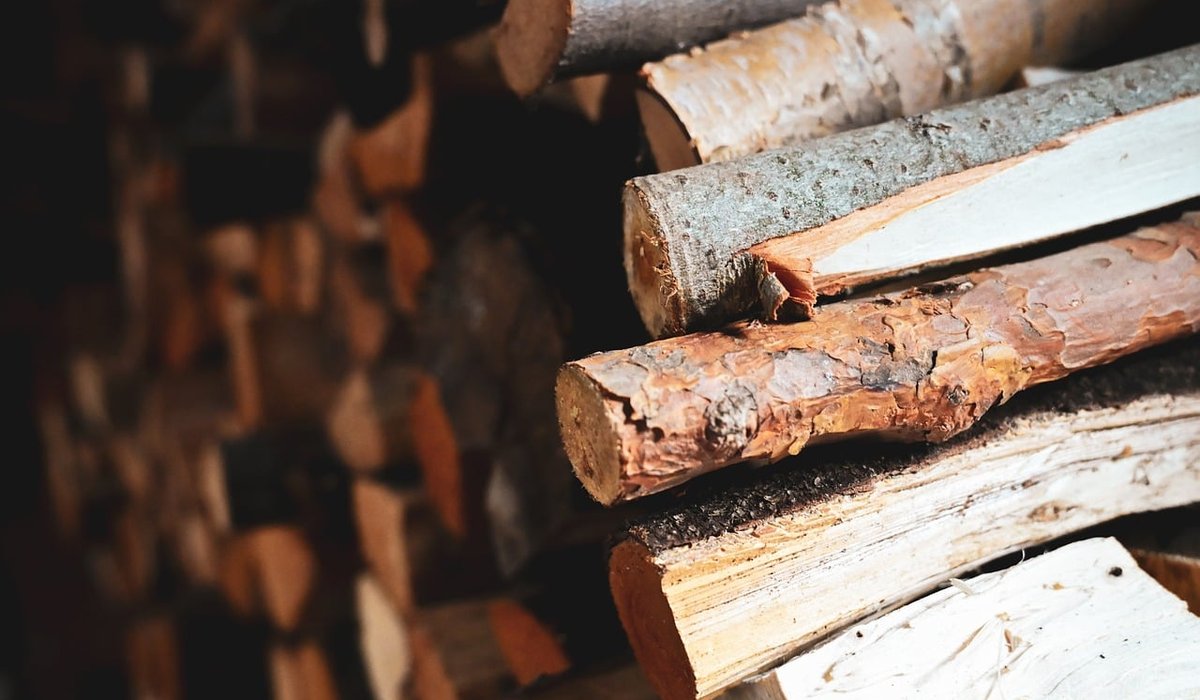
Not everyone wants to give up logs, and you don't have to. Defra maintains a list of exempt appliances – stoves and fireplaces that have passed tests showing they can burn wood without emitting unlawful amounts of smoke. If your stove appears on that list, you may burn untreated, well-seasoned wood in a smoke control area.
Two things matter here. First, the appliance must be correctly installed and used as the manufacturer intended. Second, the wood must be genuinely dry – aim for a moisture content below 20%, which you can check with a simple meter. Wet wood smoulders, creates smoke and undoes the benefit of an exempt stove.
If you're buying new, look for a modern Ecodesign-compliant model. Many of these are also exempt, and they use less fuel to produce the same warmth, which is kinder to both your chimney and your wallet.
Practical tips for a cleaner burn
Even the best fuel performs poorly if you don't give it the right conditions. A few habits make a big difference:
- Start with kindling and a hot fire – a brisk initial burn drives off moisture and gets the flue drawing properly.
- Use the air controls correctly – open them fully to establish the fire, then reduce them gradually once the flames are steady.
- Don't overload the firebox – a packed stove starves the fire of oxygen and produces unnecessary smoke.
- Let the fuel burn through – refuelling too often or too heavily smothers the flames.
- Have your chimney swept annually – a clear flue keeps the draught strong and the burn clean.
If you notice dark, lingering smoke from the chimney, that's your signal to adjust. It usually means the fire is too cool, the wood is damp, or the air supply is too tight.
Choosing between solid fuel and wood
So which is right for you? It depends on your stove, your routine and how you like to heat your home.
- Choose smokeless fuel if you want long, slow burns that keep going overnight, minimal ash handling and predictable heat output.
- Choose wood if you enjoy the atmosphere of real flames, have a ready supply of dry logs and own an exempt or Ecodesign stove.
Many households use both. A bed of smokeless fuel can hold the fire in overnight, while a few logs on top bring back a lively flame when you come down in the morning. Just remember that mixing fuels works best in a multi-fuel stove designed to handle it.
Staying compliant and warm
Before you buy anything, check whether your property is inside a smoke control area. Your local council publishes this information, and a quick phone call will confirm it. If you are covered, stick to approved smokeless fuels or an exempt appliance, and keep your receipts or fuel packaging in case anyone asks.
Follow those steps and there's no reason your fire can't be both cosy and considerate. A warm hearth, a clean chimney and clear air outside – that's the balance the rules are there to protect, and it's entirely achievable in an ordinary British home.


Leave a reply